indexed records
The dataset is now large enough for city-scale storytelling.
TorontoList combines events, places, people, services, and City business licence history into a single presentation layer.
169,269 indexed records, 158,709 historical licence records, 5,513 drilldown charts.
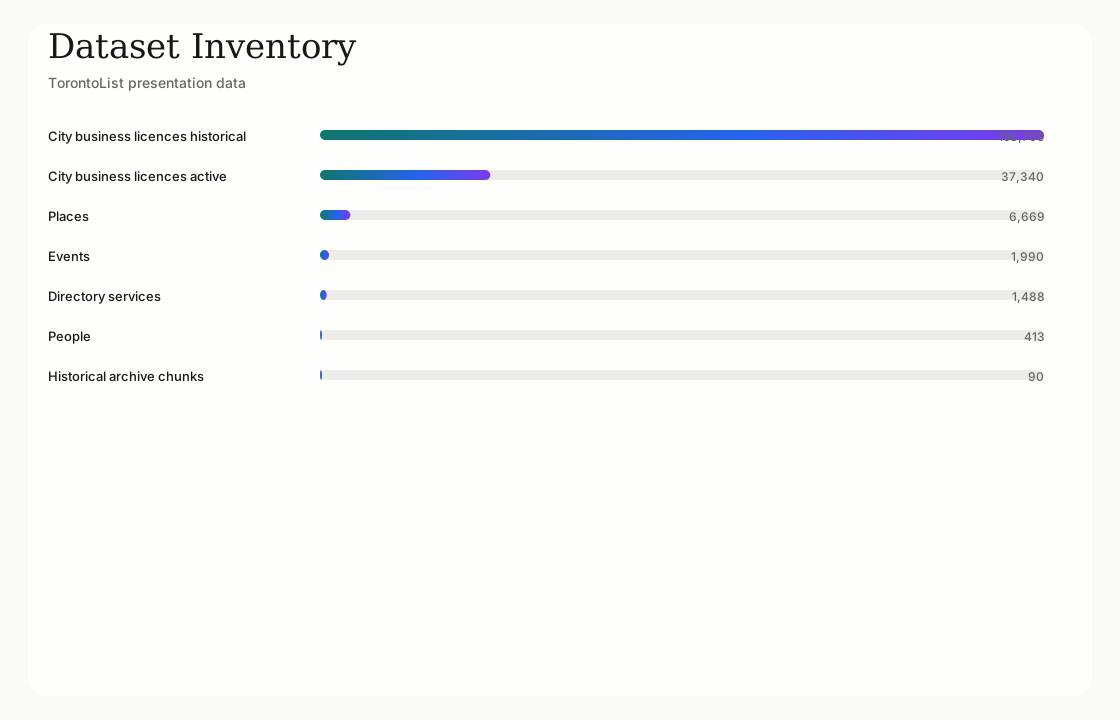
169,269 indexed records across events, places, people, services, and City of Toronto business licence history.
158,709 historical City licence records, 37,340 active records, and 121,369 cancelled records.
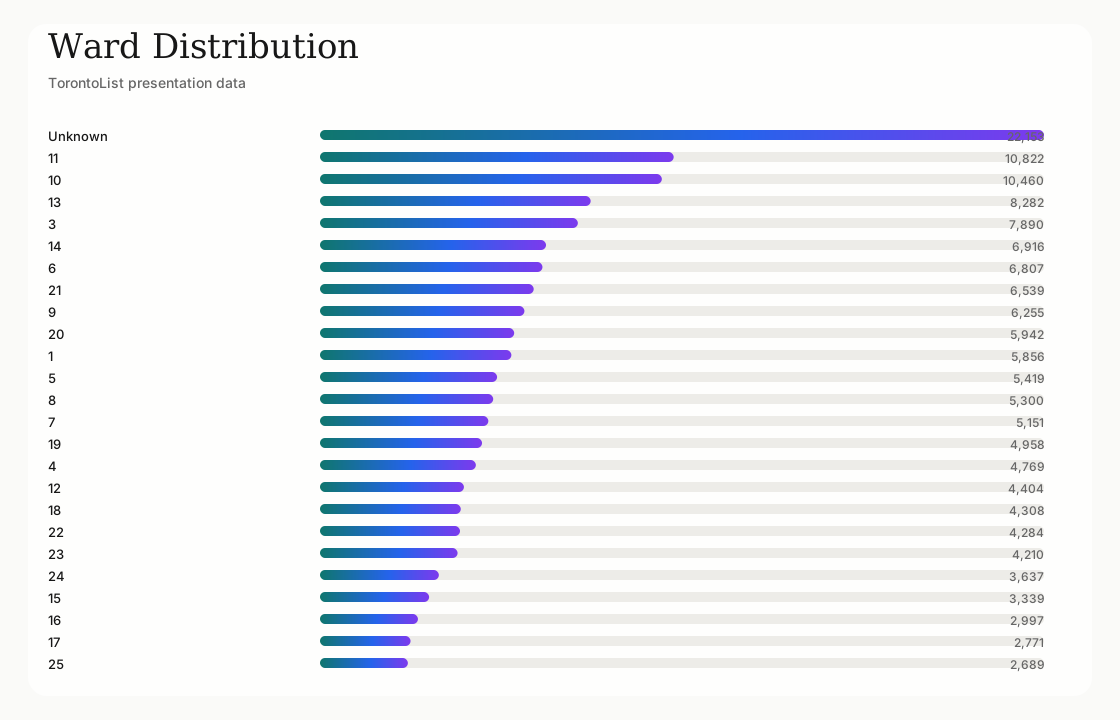
Ward charts show where licence density concentrates and how active/cancelled balances differ by local geography.
The drilldown atlas can isolate food and drink by ward, raw licence class, and active status.
The latest local City record update in this pack is 2026-05-27.
Month-by-category heatmaps reveal waves of licensing and operational shifts.
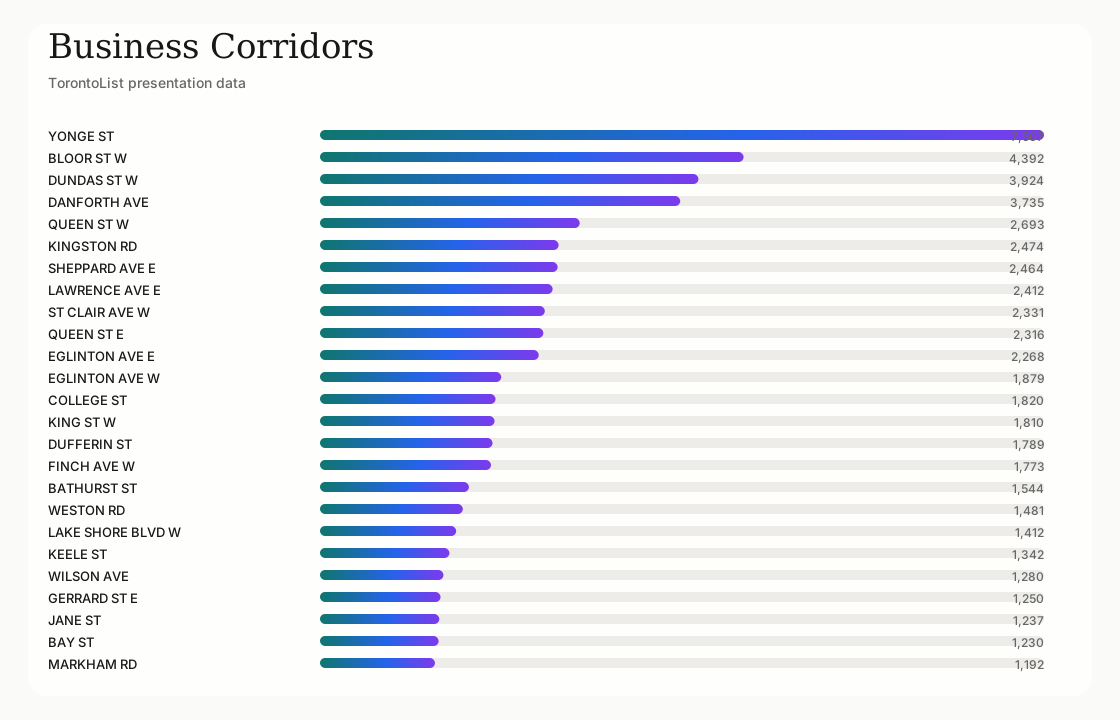
Yonge, Bloor, Dundas, Danforth, Queen, and King dominate the corridor analysis.
Licence conditions show seating, zoning, subcontracting, and use constraints across categories.
FSA and source charts help explain confidence, coverage, and where additional enrichment should go next.
Every chart is generated from CSV/JSON into browser-ready output. Curated charts export to SVG, Vega-Lite, ECharts, Plotly, and Observable Plot.
169,269 indexed records. TorontoList combines events, places, people, services, and City business licence history into a single presentation layer.
158,709 historical licence records. 37,340 active and 121,369 cancelled records are available locally.
42,518 records. Category-level aggregation makes the licence archive legible without reading raw municipal class names.
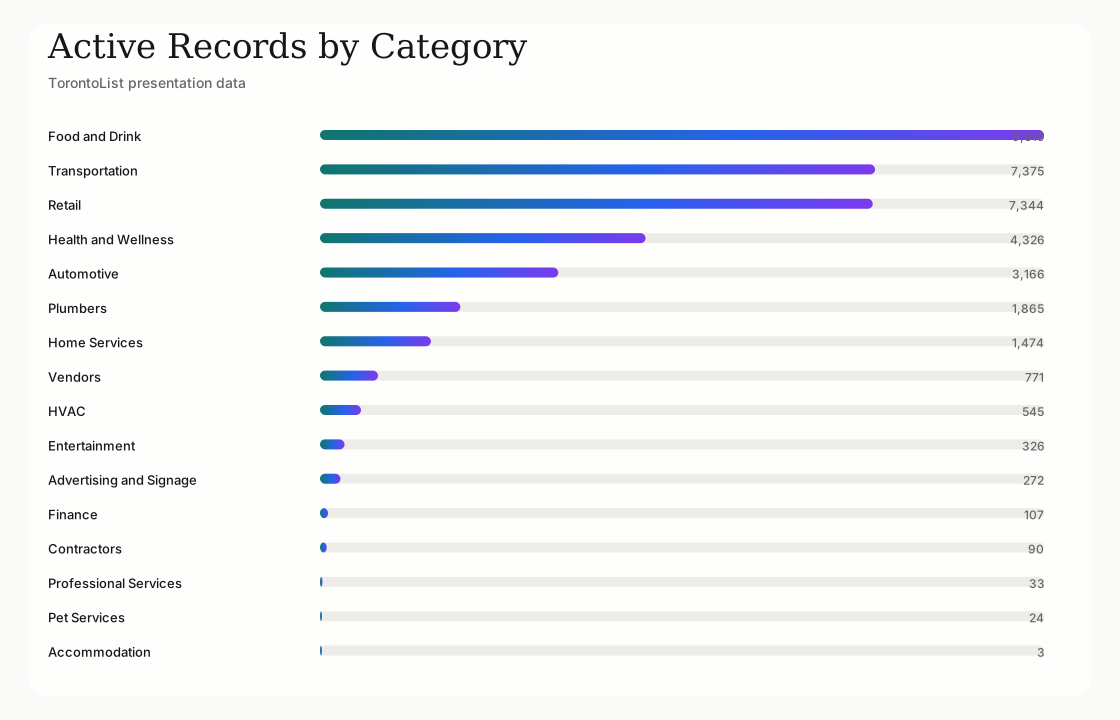
9,619 active records. Active records are the most useful signal for current market and neighbourhood views.
10,822 ward records. Ward-level charts provide a quick path into council-district and neighbourhood analysis.
7,507 street records. Street aggregation turns licence data into a corridor map for retail, food, and services.
TorontoList combines events, places, people, services, and City business licence history into a single presentation layer.
37,340 active and 121,369 cancelled records are available locally.
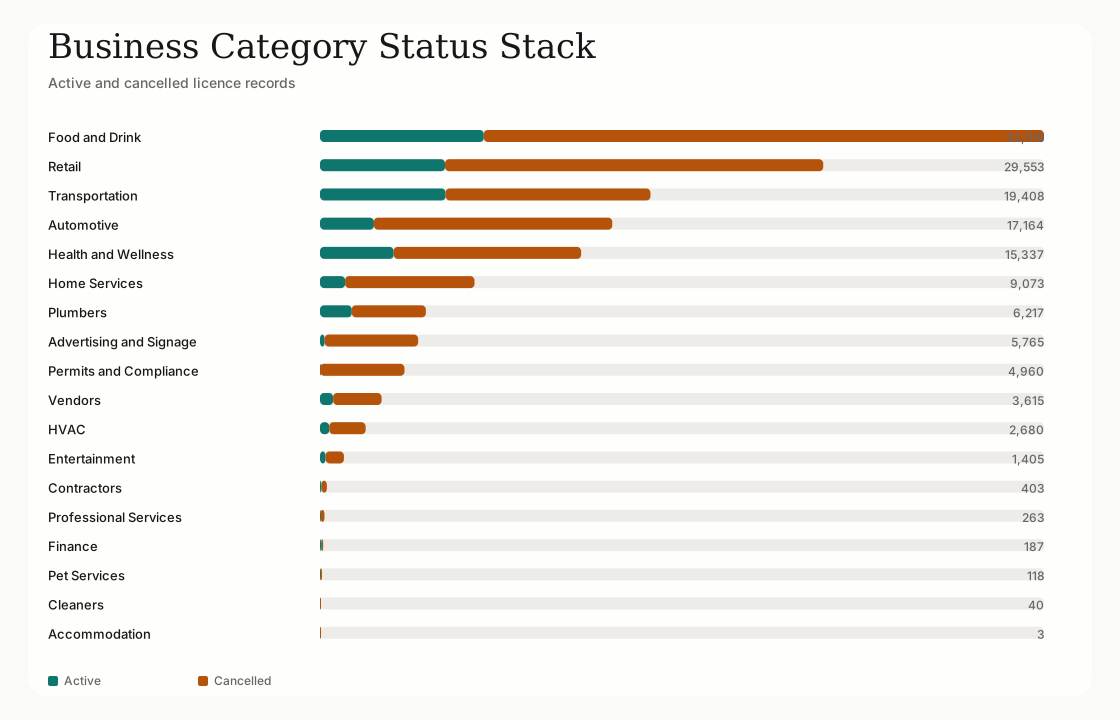
Category-level aggregation makes the licence archive legible without reading raw municipal class names.
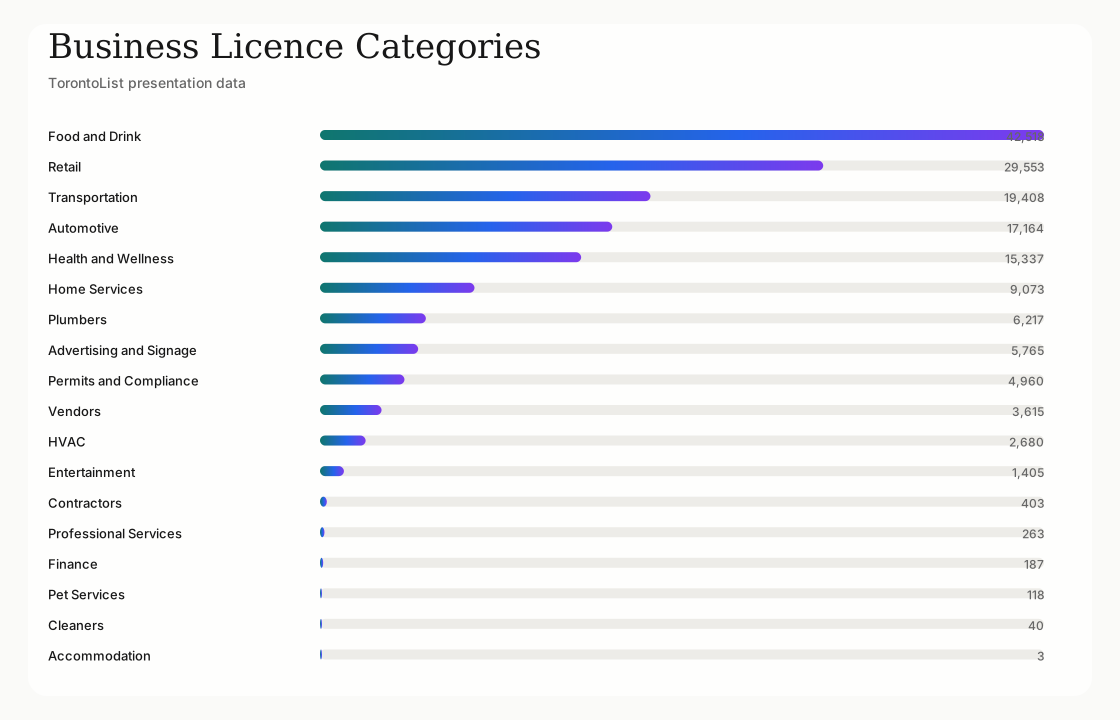
Active records are the most useful signal for current market and neighbourhood views.
Ward-level charts provide a quick path into council-district and neighbourhood analysis.
Street aggregation turns licence data into a corridor map for retail, food, and services.