169,269 indexed records across events, places, people, services, and City of Toronto business licence history.
Open by framing TorontoList as a practical local data graph: not one dataset, but a connected city index across culture, places, people, services, and municipal licensing.
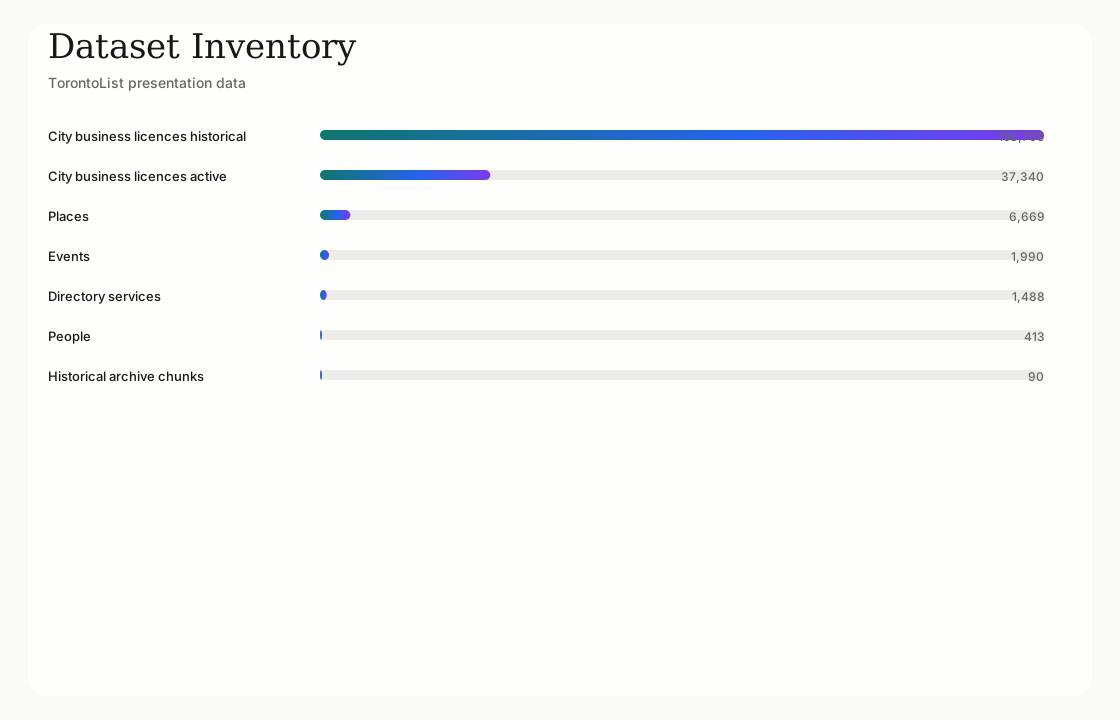
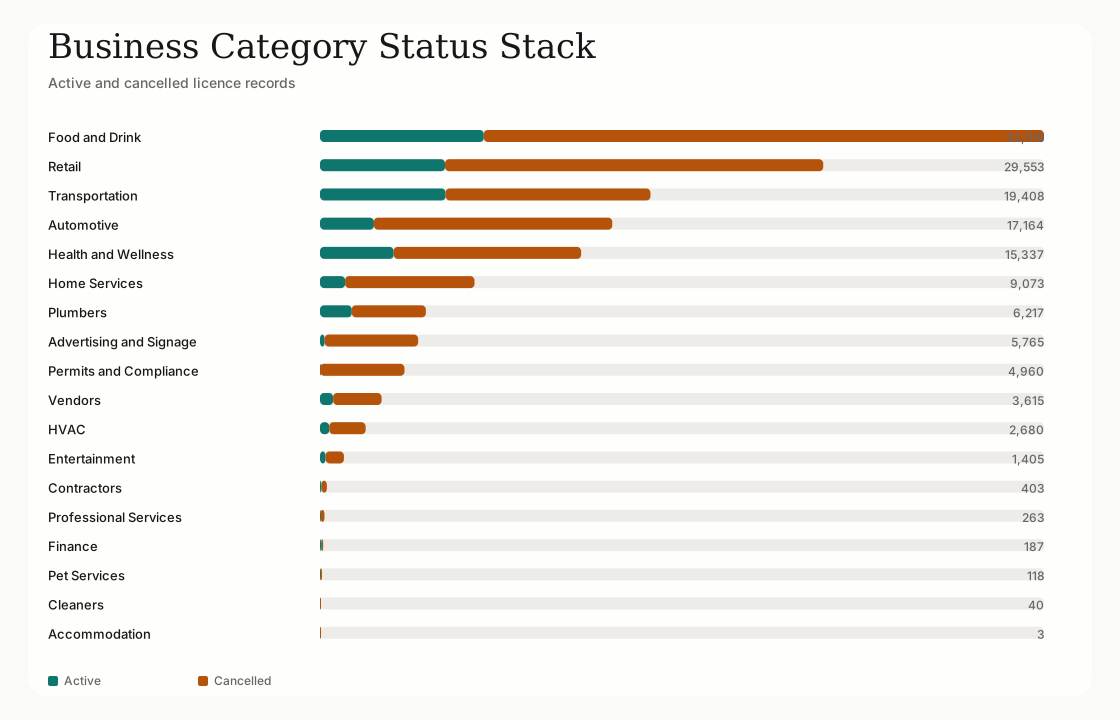
158,709 historical City licence records, 37,340 active records, and 121,369 cancelled records.
Use this slide to anchor credibility. The licence archive is the largest, most structured Open Data input and gives the rest of the product a durable civic backbone.
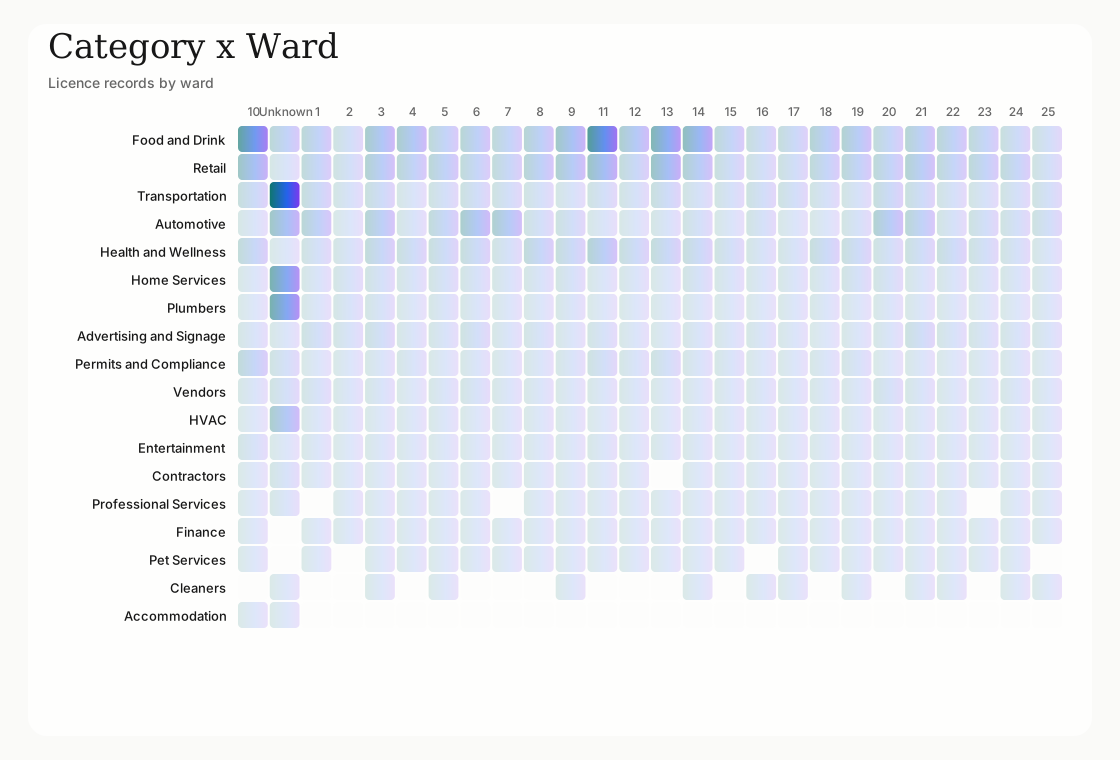
Ward charts show where licence density concentrates and how active/cancelled balances differ by local geography.
Point out that this is not just a directory. It can answer geographic questions: which wards have concentration, which categories appear where, and where data needs enrichment.
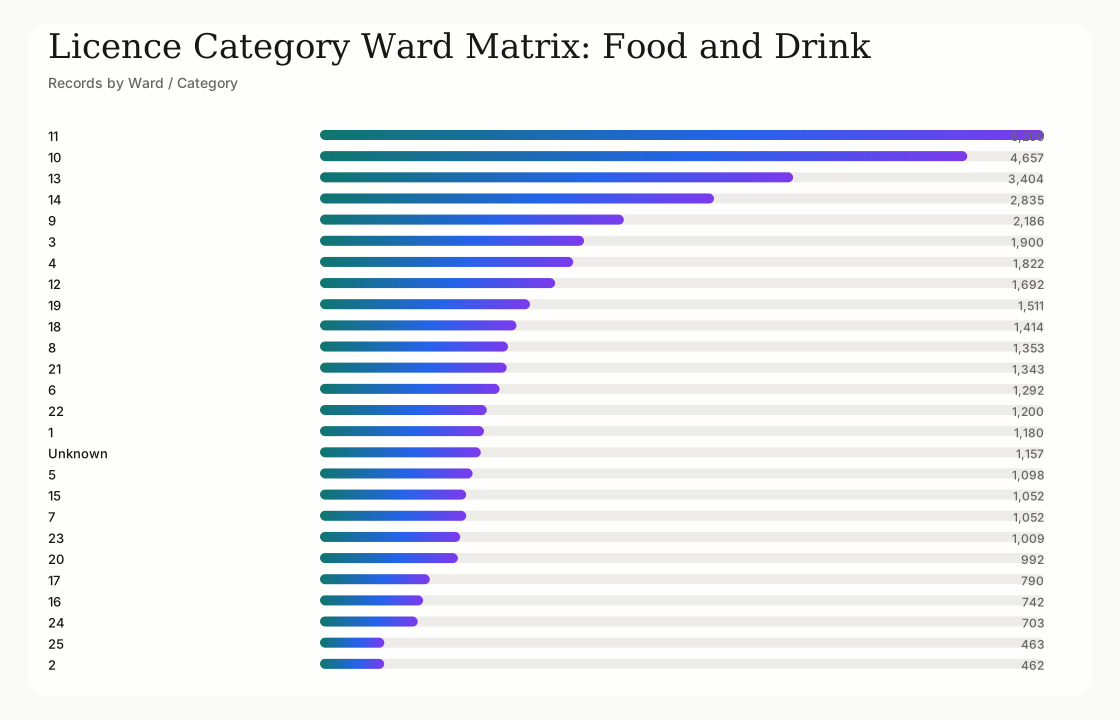
The drilldown atlas can isolate food and drink by ward, raw licence class, and active status.
Food and drink is the most intuitive public example. It makes the system understandable because everyone knows restaurants, takeout, retail food, and food trucks.
The latest local City record update in this pack is 2026-05-27.
This turns the dataset into a time machine. Emphasize that the system can show historical shape, current operations, and update cadence.
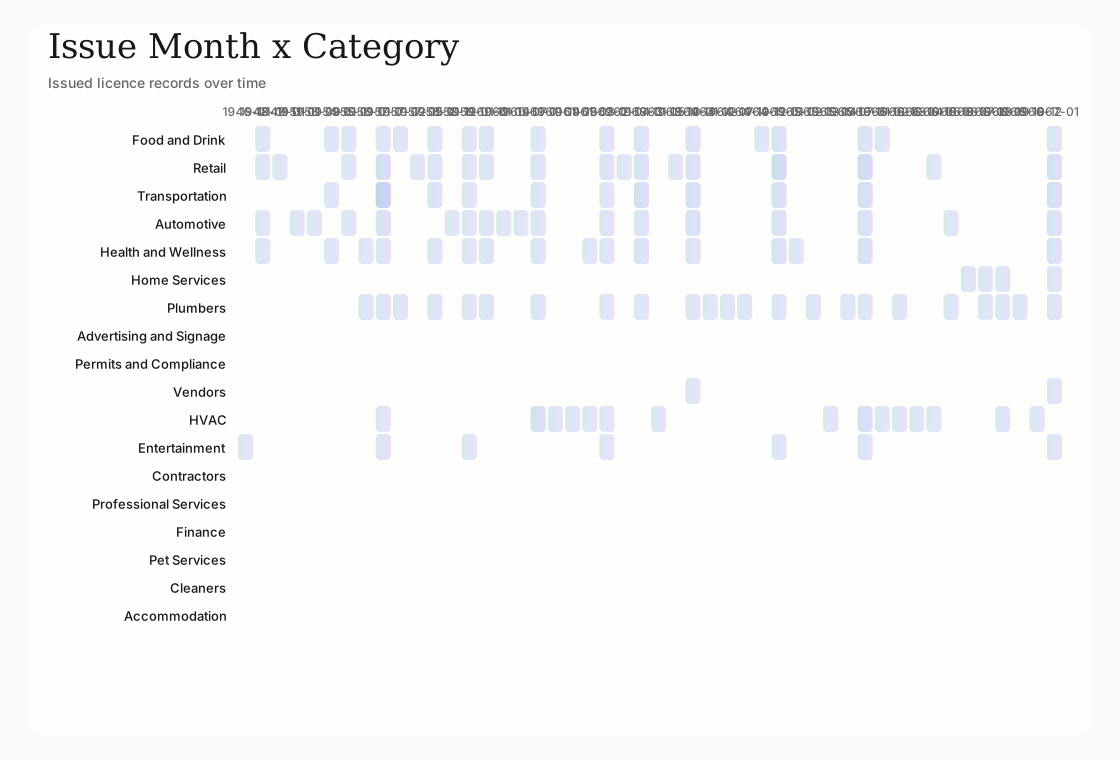
Month-by-category heatmaps reveal waves of licensing and operational shifts.
Use this to show motion. Monthly heatmaps make spikes and quiet periods visible without manually reading CSVs.
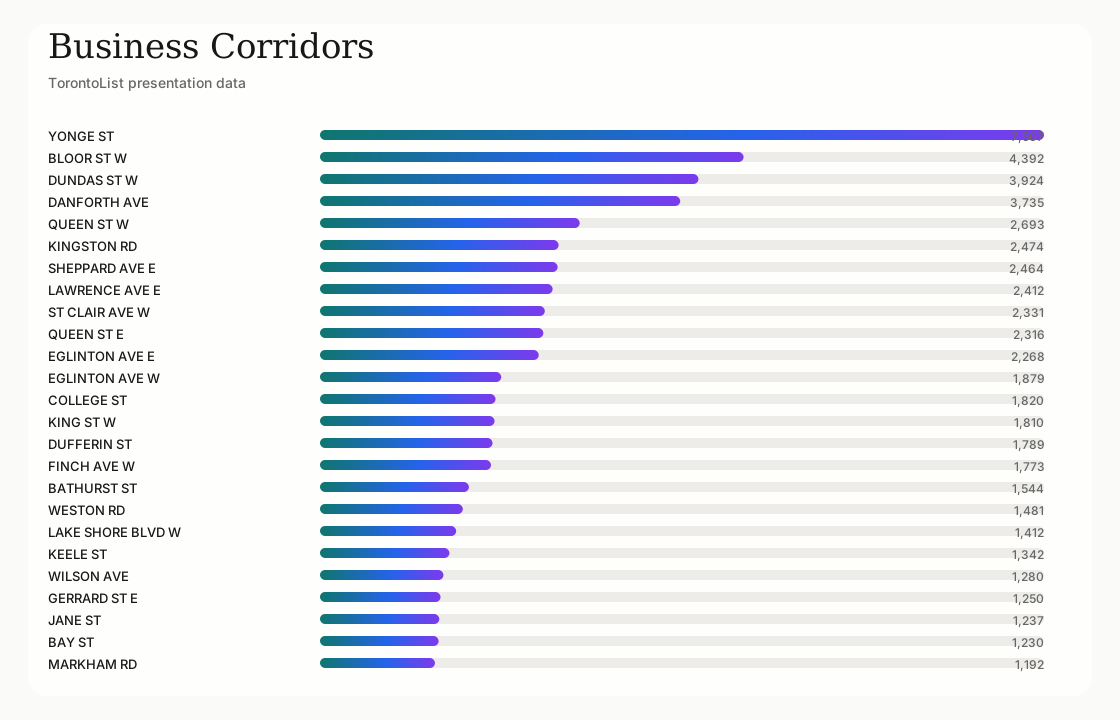
Yonge, Bloor, Dundas, Danforth, Queen, and King dominate the corridor analysis.
This is the corridor view. It is useful for neighbourhood, retail, and economic-development conversations because street names are legible to non-technical audiences.
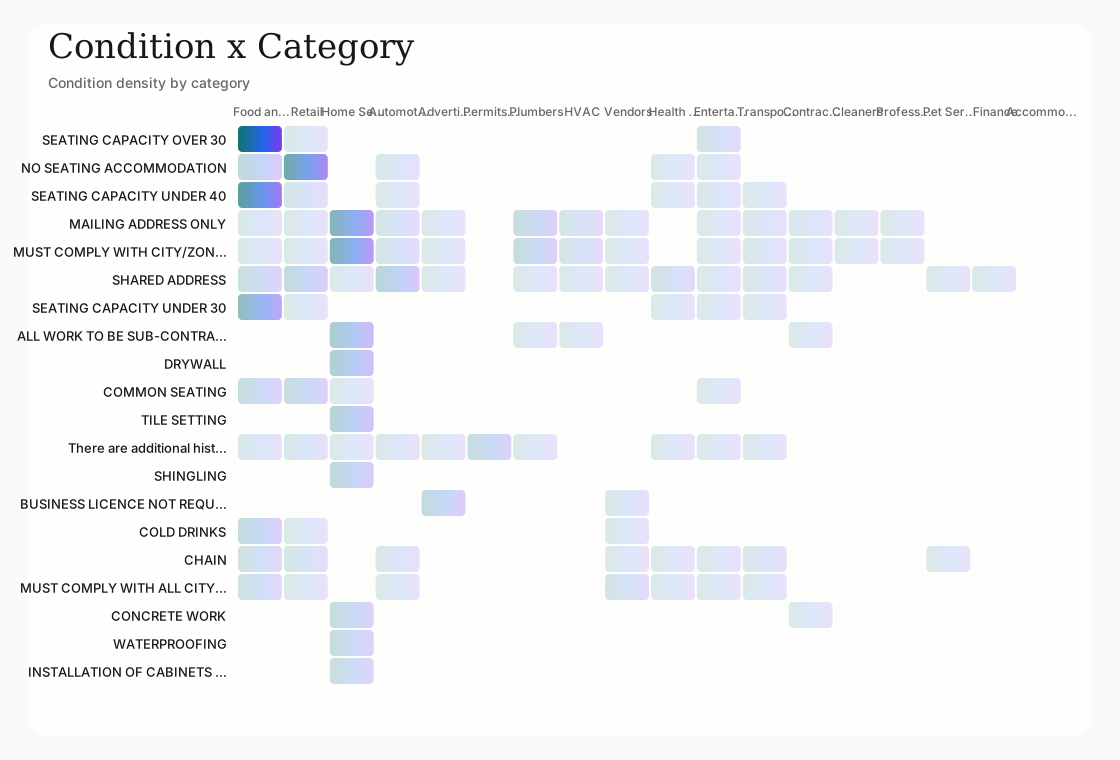
Licence conditions show seating, zoning, subcontracting, and use constraints across categories.
This slide is about operational detail. The data goes beyond names and addresses into constraints, permissions, and compliance signals.
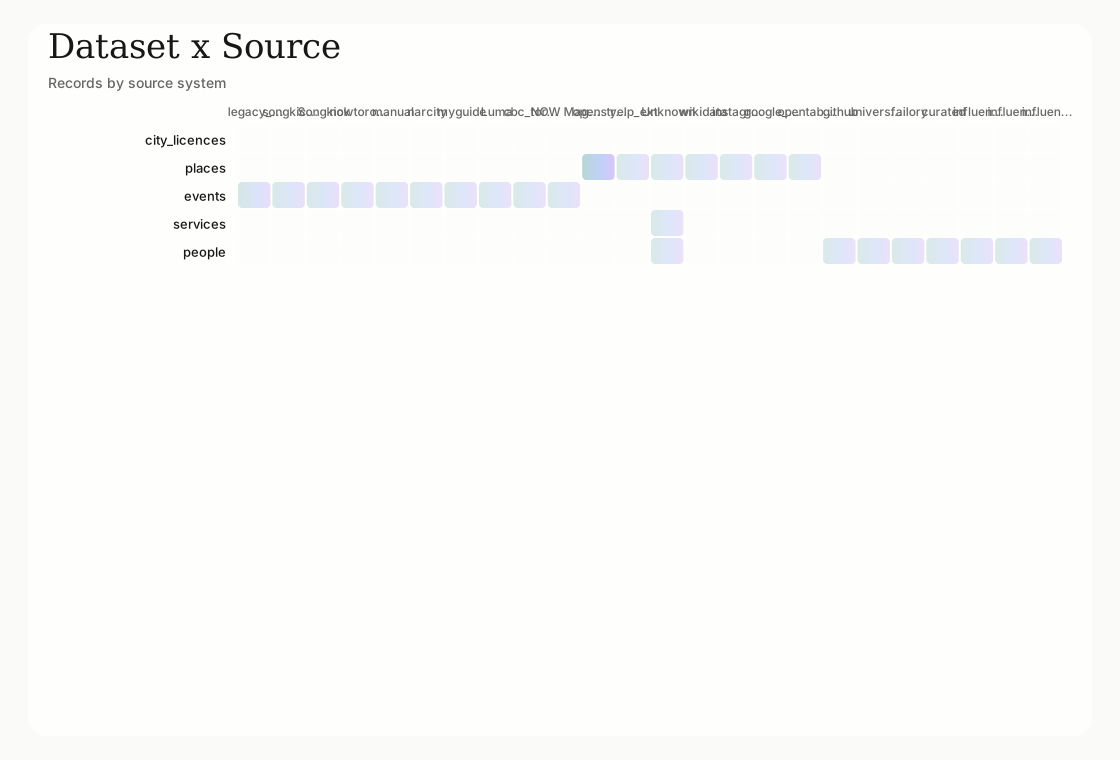
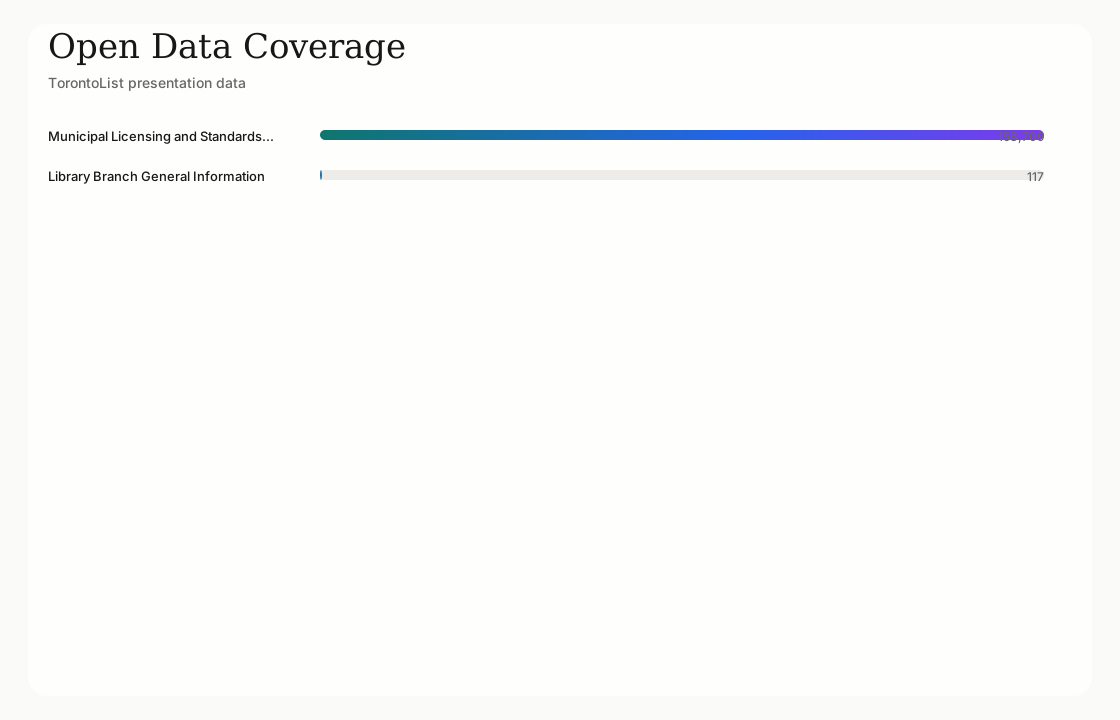
FSA and source charts help explain confidence, coverage, and where additional enrichment should go next.
Coverage charts are important for trust. They make it clear where records are strong, where fields are missing, and what should be improved next.
Every chart is generated from CSV/JSON into browser-ready output. Curated charts export to SVG, Vega-Lite, ECharts, Plotly, and Observable Plot.
Close by shifting from charts to system. The point is not one-off visualization; it is a repeatable chart engine for city data storytelling.